Publications

Publications & Research

Explore our comprehensive collection of reports, white papers, and policy documents examining AI governance, policy frameworks, and technological innovation across Africa.

91 publications
Bridging the Justice Gap: Artificial Intelligence as a Tool for Judicial Efficiency in African Countries
POLICY BRIEF

28 March 2025

Bridging the Justice Gap: Artificial Intelligence as a Tool for Judicial Efficiency in African Countries

Judicial systems in African countries face a myriad of challenges- ranging from poor record keeping and case management, to insufficient staff and resources. The system also heavily relies on human capacity for daily operations, including the filing of court cases, manual writing of court proceedings, documentation, and record keeping. All together, these challenges result in case delays, high case backlog, which not only erodes trust in judicial systems but also limits the efficient administration of justice. This policy brief examines the challenges facing the judicial systems of various African countries, and explores how Artificial Intelligence (AI) models can be deployed to solve these challenges

Consequences of Artificial Intelligence on Teaching and Learning in Higher Education in Kenya: Literature Review
Literature Review

13 February 2024

Consequences of Artificial Intelligence on Teaching and Learning in Higher Education in Kenya: Literature Review

This article investigates the global impact of Artificial Intelligence (AI) on higher education, focusing on Kenya. Examining published studies, the prevalence of AI in higher education was found to be highest in Asia (41%), compared to 1% in South America and 2% in Africa. A 2023 global student survey revealed that Generative AI was most popular in Kenya, with a usage rate of 63%. Moreover, a study among students aware of AI content detectors in their institutions indicated a significant reduction in the use of AI-generated content, affirming the deterrent effect of such detectors. The future of higher education is poised for a revolution with AI, particularly in individualized learning. Algorithms will assess academic scores, passions, and preferred learning strategies to tailor personalized education paths, adapting and evolving with the learner.

Case studies of AI policy development in Africa
Journal Article

10 February 2025

Case studies of AI policy development in Africa

Artificial intelligence (AI) requires new ways of evaluating national technology use and strategy for African nations. We conduct a survey of existing “readiness” assessments both for general digital adoption and AI policy in particular. We conclude that existing global readiness assessments do not fully capture African states’ progress in AI readiness and lay the groundwork for how assessments can be better used for the African context. We consider the extent to which these indicators map to the African context and what these indicators miss in capturing African states’ on-the-ground work in meeting AI capability. Through case studies of four African nations of diverse geographic and economic dimensions, we identify nuances missed by global assessments and offer high-level policy considerations for how states can best improve their AI readiness standards and prepare their societies to capture the benefits of AI.

Egypt: artificial intelligence readiness assessment report
Report
1 January 2025

Egypt: artificial intelligence readiness assessment report

Egypt released its edition of National Artificial Intelligence Strategy (NAIS) in 2021. In response to rapid developments in AI technology, including the emergence of generative AI, the second edition of the NAIS was adopted by the Egyptian government in January 2025. Egypt has made notable progress in both developing AI technologies and improving its readiness for ethical AI implementation. Due to several achievements in the field, Egypt was ranked first in Africa, among the top ten countries in the MENA region, and 65th globally out of 188 countries. Egypt’s AI landscape indicates that it has the potential to position itself to become a leader in responsible and impactful AI, using technology to drive economic growth, foster social progress, and address national challenges.

NAMIBIA Artificial Intelligence Readiness Assessment Report
Report

1 January 2025

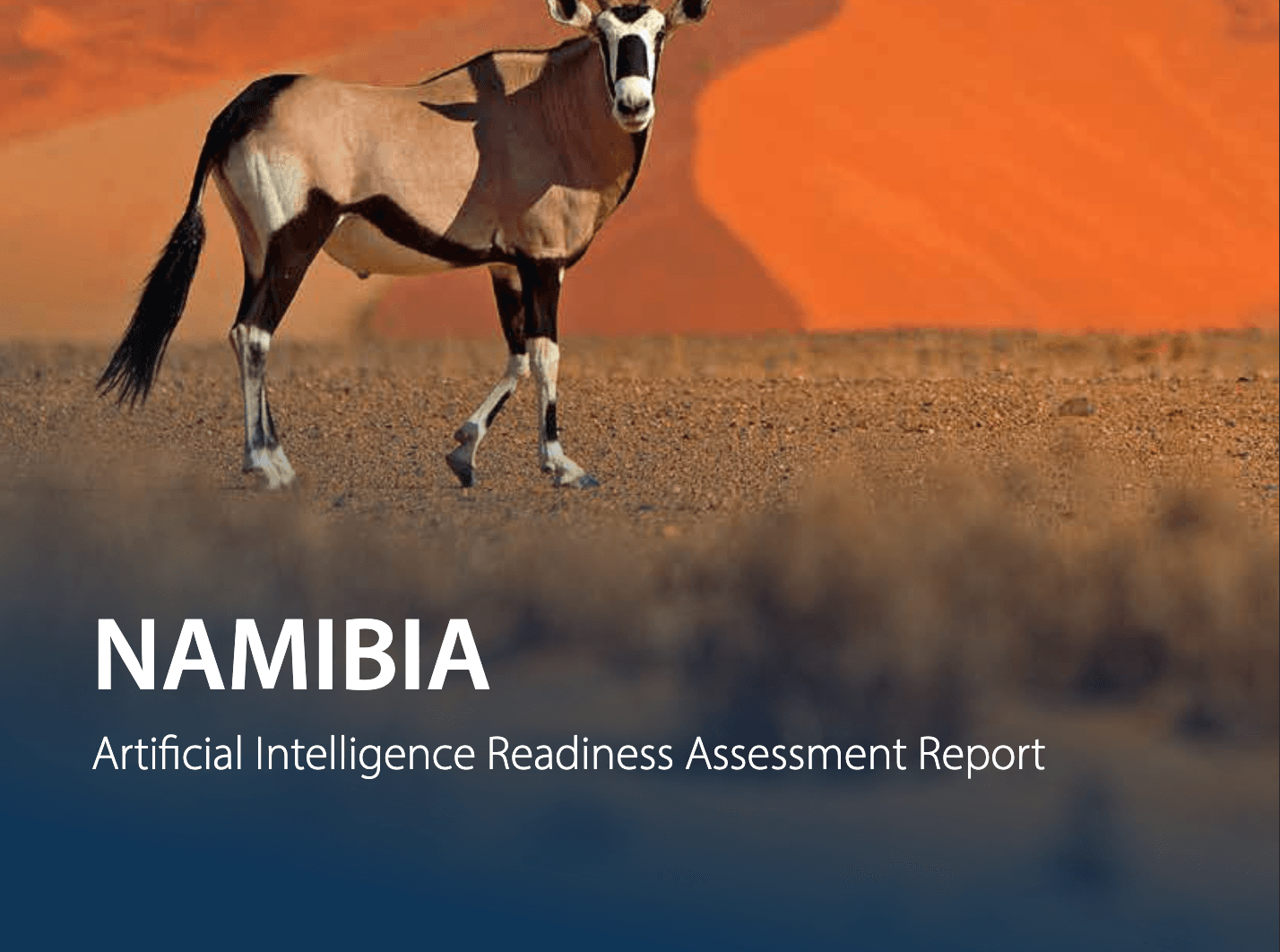
NAMIBIA Artificial Intelligence Readiness Assessment Report

The Namibia AI Readiness Report assesses the country’s preparedness for integrating and advancing artificial intelligence (AI) across various sectors in a responsible and ethical manner. Recognized for its transformative potential, AI is seen as a key enabler of well-being, economic growth, and solutions to global challenges. The report emphasizes the importance of establishing regulations that balance innovation with responsible deployment. It draws on global frameworks, including the African Union’s Continental AI Strategy, the European Union’s AI Act, and the US AI Bill of Rights, while also highlighting UNESCO’s Recommendation on the Ethics of AI to ensure that AI development respects human rights, fairness, and sustainability.



Botswana: artificial intelligence readiness assessment report
Report

1 January 2025

Botswana: artificial intelligence readiness assessment report

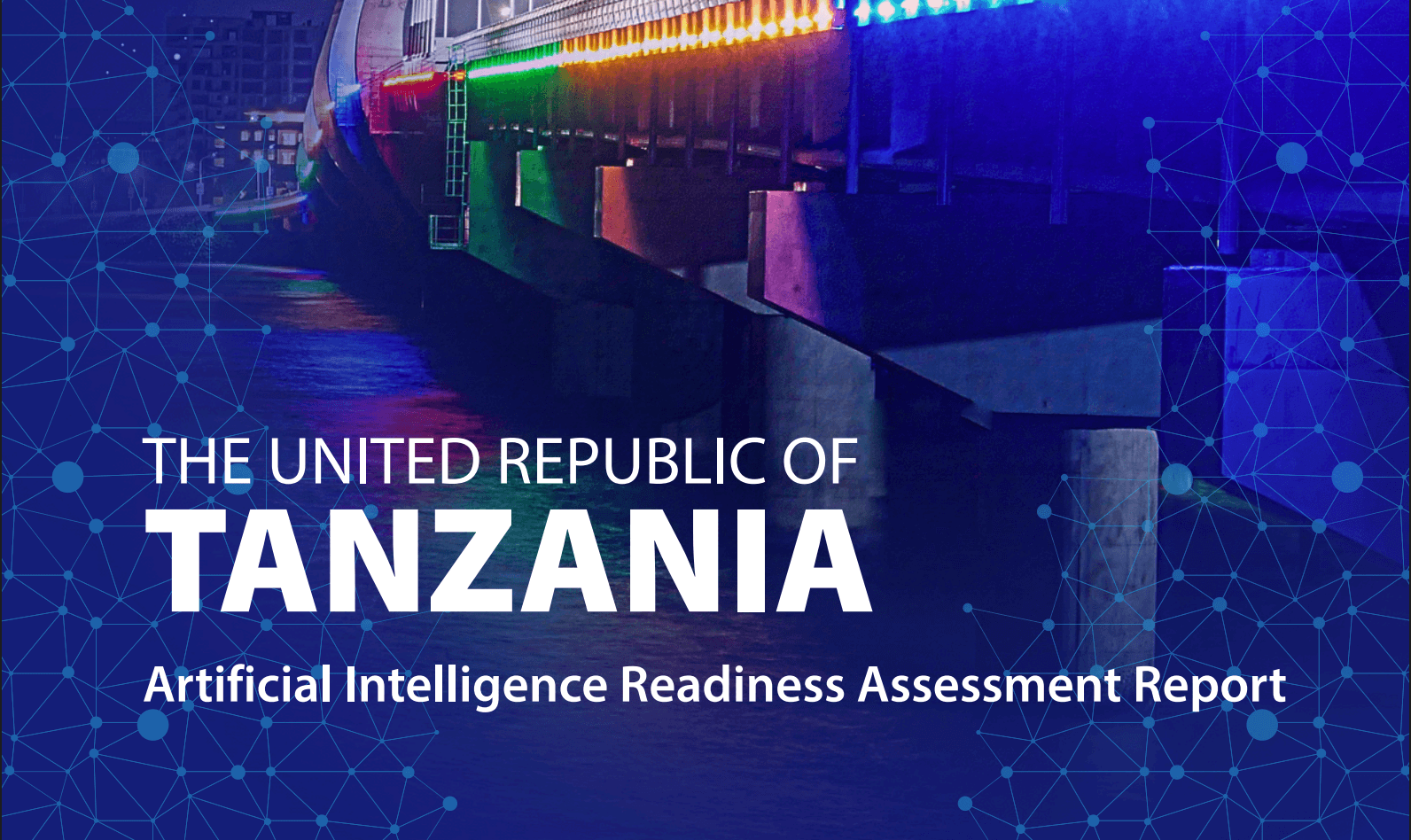
Artificial Intelligence (AI) is becoming increasingly popular in addressing various dimensions of human activities in the Southern African region. Botswana, like many other countries in Southern Africa, is still lagging behind in the adoption and use of AI. This situation is largely attributed to the absence of a comprehensive AI strategy, resistance to technological change, limited infrastructure, and a shortage of relevant skills required to develop and implement AI solutions. Although Botswana currently does not have a formal AI strategy in place, the government has made noticeable progress toward building an AI ecosystem through several initiatives. Notably, it is in the process of finalizing the National Artificial Intelligence (AI) Policy, which will provide a strategic framework to guide the development, adoption, and regulation of AI technologies in support of national priorities and sustainable development.

Readiness assessment methodology: a tool of the Recommendation on the Ethics of Artificial Intelligence
Report

1 January 2023

Readiness assessment methodology: a tool of the Recommendation on the Ethics of Artificial Intelligence

In November 2021, the 193 Member States of UNESCO signed the Recommendation on the Ethics of Artificial Intelligence, the first global normative instrument in its domain. The Recommendation serves as a comprehensive and actionable framework for the ethical development and use of AI, encompassing the full spectrum of human rights. It does so by maintaining focus on all stages of the AI system lifecycle. Beyond elaborating the values and principles that should guide the ethical design, development and use of AI, the Recommendation lays out the actions required from Member States to ensure the upholding of such values and principles, through advocating for effective regulation and providing recommendations in various essential policy areas, such as gender, the environment, and communication and information.